Algorithm-Proof Social Strategies: Building Resilient Engagement in a Volatile Feed
The social media landscape is ever-changing, with social media algorithms dictating what content gets seen by whom. This volatility can make it challenging for brands to maintain a consistent presence and engage their audience effectively.

As a result, the decline in organic reach has become a pressing concern for marketers. To combat this, businesses are shifting their focus towards building engagement strategies that foster meaningful interactions with their audience.
By adopting algorithm-proof social strategies, brands can create a more resilient online presence, one that isn't solely dependent on the whims of the algorithms. This approach enables businesses to connect with their audience more effectively, driving long-term success in a volatile social media landscape.
Key Takeaways
- Understanding social media algorithms is crucial for effective online engagement.
- Engagement strategies should focus on fostering meaningful interactions.
- Algorithm-proof social strategies can help build a resilient online presence.
- Brands must adapt to the ever-changing social media landscape.
- Meaningful engagement drives long-term success.
The Reality of Organic Reach Decline in Today's Social Landscape
The era of unlimited organic reach on social media is fading, replaced by a landscape where algorithmic changes dictate visibility. This shift has significant implications for brands and creators who have traditionally relied on organic reach to engage with their audiences.
Statistical Evidence of Declining Reach Across Major Platforms
Studies across major social media platforms have shown a consistent decline in organic reach. For instance:
- Facebook's algorithm changes have resulted in a decline of up to 50% in organic reach for brand pages.
- Instagram's shift towards favoring content from close friends and family has led to a noticeable decrease in brand visibility.
- Twitter's algorithmic timeline has made it challenging for brands to maintain consistent visibility without paid promotion.
The Business Impact of Algorithm Changes on Brands and Creators
The decline in organic reach directly affects the bottom line for businesses and creators who depend on social media for customer engagement and sales. With reduced visibility, there's a:
- Decrease in website traffic and, consequently, potential sales.
- Reduced ROI on content creation efforts.
- Increased reliance on paid advertising to achieve marketing goals.
Why Relying Solely on Organic Reach Is No Longer Viable
In today's social media landscape, relying solely on organic reach is a risky strategy. The continuous algorithm changes and increased competition for visibility mean that brands and creators must adapt by:
- Diversifying their marketing channels.
- Investing in paid social media advertising.
- Creating highly engaging, algorithm-friendly content.
By understanding the reality of organic reach decline and its business impact, brands and creators can develop more resilient social media strategies.
Understanding How Social Algorithms Actually Work
Understanding social algorithms is crucial for anyone looking to increase their online presence. These complex systems determine the visibility of content across various social media platforms.
Key Ranking Factors That Determine Content Visibility
Several key factors influence how content is ranked and displayed. These include:
- User engagement: Likes, comments, and shares are crucial.
- Relevance: How relevant the content is to the user.
- Relationship: The user's past interactions with the content creator.
- Timing: The recency of the post.
Platform-Specific Algorithm Nuances
Each platform has its unique algorithm nuances. For instance, Facebook prioritizes content from friends and family, while LinkedIn focuses on professional relevance.
Debunking Common Algorithm Myths and Misconceptions
Many believe that algorithms are solely based on follower count, but this is a misconception. Algorithms consider a multitude of factors, not just popularity.
"The algorithm is not just about numbers; it's about relevance and engagement."
By understanding these aspects, content creators can better navigate the complex world of social algorithms and improve their content's visibility.
Diversifying Your Social Presence Across Multiple Platforms
In today's volatile social media landscape, diversifying your online presence is crucial for maintaining visibility. As algorithms continue to evolve, having a multi-platform strategy can help mitigate the risks associated with relying on a single channel.
Strategic Platform Selection Based on Business Goals and Audience
Choosing the right platforms requires understanding your business objectives and audience demographics. For instance, if your target audience is professionals, LinkedIn might be more suitable than TikTok.
| PlatformPrimary AudienceContent Style | ||
| Broad demographic | Varied, including video and text | |
| Visual-centric, younger audience | High-quality visuals, Stories | |
| Professionals, B2B | Informative, industry insights |
Content Adaptation Techniques for Different Platform Environments
Repurposing Content Without Sacrificing Quality
Repurposing content allows you to maximize your efforts while catering to different platform requirements. For example, turning a blog post into a video or infographic.
Platform-Specific Content Optimization Tips
Optimize your content by using platform-specific features like hashtags on Instagram or LinkedIn Pulse articles for professional insights.
https://www.youtube.com/watch?v=-OYSlDzZ-UQ
By diversifying your social presence and adapting your content strategy, you can build a more resilient online presence.
Creating Content Types That Consistently Overcome Organic Reach Decline
As social media algorithms continue to change, the importance of developing a robust content strategy that includes evergreen content and format diversification becomes increasingly evident. Brands must adapt to these changes to maintain visibility and engagement.
Evergreen content remains relevant over time, providing continuous value to the audience. To create such content, focus on topics that are timeless and continue to interest your audience long after the initial publication.
Evergreen Content Frameworks That Maintain Relevance
Developing evergreen content involves creating frameworks that stand the test of time. This can include:
- How-to guides and tutorials
- Industry insights and analysis
- User-generated content campaigns
These frameworks help in maintaining relevance and keeping the audience engaged.
Format Diversification Strategies: Video, Images, Text, and Audio
Diversifying content formats is crucial for reaching a broader audience. Different people consume information in different ways, so incorporating various formats can enhance engagement.
Video content, for instance, can be used for demonstrations or storytelling, while images can be effective for conveying complex information quickly. Text-based content, such as blog posts, remains valuable for SEO, and audio content like podcasts can cater to audiences on-the-go.
Trend Participation Without Compromising Brand Identity
Participating in trends can boost visibility, but it's essential to do so without compromising your brand identity. This involves:
- Identifying trends that align with your brand values
- Adapting trends to fit your unique voice and style
- Ensuring that trend participation adds value to your audience
By doing so, brands can stay relevant while maintaining their unique identity.
As stated by
"The key is not to prioritize what's on trend, but to create content that is timeless and valuable."
Focusing on quality and relevance helps in creating content that stands out and continues to engage audiences over time.
Community Building: Your Most Powerful Algorithm Defense
As algorithms continue to evolve, one constant remains: the power of a well-built community in overcoming organic reach decline. In the face of algorithm changes, a strong community can be the difference between a brand's message being heard or lost in the noise.
Transforming Followers into Active Community Members
The first step in building a resilient community is transforming passive followers into active participants. This involves creating content that resonates deeply with your audience and encourages interaction. Asking the right questions through polls, surveys, or open-ended queries can significantly boost engagement. For instance, a brand might use Instagram Stories to ask followers about their preferences, making them feel valued and more likely to engage with future content.
Creating Engagement Loops That Generate Consistent Interaction
Engagement loops are crucial for maintaining consistent interaction within your community. These loops can be created through various strategies, such as hosting regular Q&A sessions, creating challenges, or initiating discussions around trending topics. Consistency is key; by regularly engaging with your audience, you foster a sense of belonging and keep your community active.
Community Management Practices That Foster Loyalty
Effective community management is the backbone of any successful community building effort. This involves not just responding to comments and messages but also actively listening to your community's feedback and concerns. By showing that you value their input, you can foster loyalty and encourage your community members to become brand advocates. Implementing a reward system for loyal community members can also enhance loyalty.
By focusing on these strategies, brands and creators can build a robust defense against algorithm changes, ensuring their message reaches and resonates with their audience.
Owning Your Audience Through First-Party Data Collection
As social algorithms continue to evolve, businesses must adapt by focusing on first-party data collection. This approach allows brands to build a direct relationship with their audience, reducing dependence on volatile social media algorithms. By collecting data directly from customers, businesses can create more personalized experiences, improve customer loyalty, and ultimately drive more sustainable growth.
Email Marketing Integration With Social Media Strategies
Integrating email marketing with social media strategies is a crucial step in leveraging first-party data. This integration enables businesses to create cohesive campaigns that span multiple channels, maximizing reach and engagement. For instance, brands can use social media to promote email newsletters, while using email to encourage social media engagement.
| ChannelPrimary UseSecondary Use | ||
| Direct customer communication | Promoting social media content | |
| Social Media | Community building | Email list growth |
Creating Value Exchanges That Encourage Data Sharing
To encourage customers to share their data, businesses must create value exchanges that benefit both parties. This could include offering exclusive content, discounts, or early access to new products in exchange for email subscriptions or other personal data. The key is to ensure that the value provided is clear and compelling.

Building Direct Communication Channels Outside Social Platforms
By building direct communication channels outside social platforms, businesses can reduce their reliance on algorithm-driven visibility. This involves not only email marketing but also other channels like SMS or messaging apps. The goal is to create a multi-channel approach that allows for consistent and direct engagement with the audience.
Designing Content That Triggers Algorithm-Friendly Engagement
The key to thriving in today's volatile social feed lies in creating content that naturally triggers algorithm-friendly engagement. This involves understanding the intricacies of how content is perceived and interacted with on various platforms.
Psychological Principles Behind Highly Shareable Content
Creating highly shareable content requires tapping into psychological principles that drive human behavior. Content that evokes strong emotions, whether it's joy, surprise, or inspiration, is more likely to be shared. Storytelling is a powerful tool in this context, as it can create an emotional connection with the audience.
"The most powerful element in advertising is the truth." - William Bernbach
Question Formats and Conversation Starters That Generate Comments
Encouraging engagement through comments is crucial for algorithm-friendly content. Using question formats and conversation starters can significantly boost interaction. For instance, ending a post with a thought-provoking question or inviting the audience to share their experiences can foster a sense of community.
Creating Content That Encourages Meaningful Time Spent
Meaningful time spent on content is a key metric for algorithms. To achieve this, creators can employ various strategies.
Interactive Elements That Increase Dwell Time
Interactive elements such as polls, quizzes, and interactive videos can significantly increase dwell time. These elements not only engage the audience but also provide value, making them more likely to spend more time on the content.
Storytelling Techniques That Keep Audiences Engaged
Storytelling is not just about evoking emotions; it's also about maintaining engagement through narrative techniques. Using cliffhangers, series content, or unfolding a story over multiple posts can keep audiences engaged and coming back for more.
| Content TypeEngagement MetricAlgorithm Impact | ||
| Interactive Content | High Dwell Time | Increased Visibility |
| Storytelling | High Share Rate | Broader Reach |
| Question-Based Posts | High Comment Rate | Enhanced Engagement |
By incorporating these strategies, content creators can design content that not only triggers algorithm-friendly engagement but also builds a loyal and interactive community.
Strategic Posting: Timing and Consistency Patterns
Maximizing social media impact requires a nuanced understanding of strategic posting principles. Effective strategic posting involves more than just regular updates; it's about timing and consistency that resonate with your audience.
Data-Driven Approaches to Optimal Posting Windows
To determine the best posting times, analyze your social media analytics to identify when your audience is most engaged. Tools like Facebook Insights and Twitter Analytics provide valuable data on user engagement patterns.
| PlatformBest Time to PostReason | ||
| Weekdays, 12 pm - 3 pm | Highest user engagement during lunch breaks | |
| Weekdays, 9 am & 3 pm | Aligns with morning and afternoon commutes |
Developing a Sustainable Content Calendar
A well-planned content calendar ensures consistency and reduces the likelihood of audience fatigue. It's essential to balance evergreen content with timely updates to keep your audience engaged.
Balancing Consistency and Audience Fatigue
While consistency is key, overposting can lead to audience fatigue. Monitor engagement metrics to adjust your posting frequency and maintain a healthy balance.
Harnessing User-Generated Content to Expand Reach
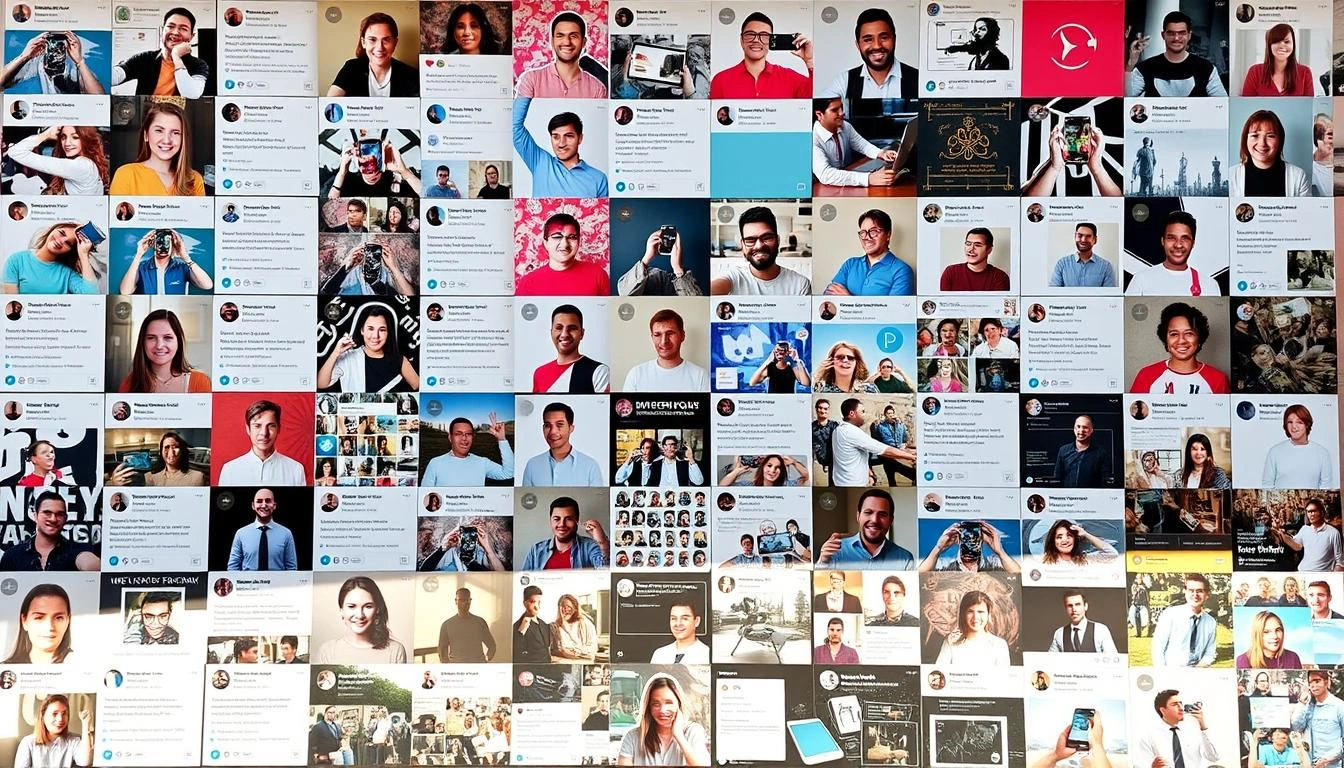
As social media algorithms continue to evolve, leveraging user-generated content has become crucial for businesses aiming to broaden their online presence. User-generated content (UGC) not only amplifies a brand's reach but also fosters a sense of community and authenticity.
Creating Frameworks That Inspire Audience Participation
To effectively harness UGC, brands need to create frameworks that encourage audience participation. This can be achieved by launching contests or challenges that prompt users to share their experiences or creations related to the brand.
Another strategy is to feature customer spotlights or user-generated stories on the brand's social media channels, making customers feel valued and recognized.
UGC Collection and Amplification Best Practices
When collecting UGC, it's essential to have a clear strategy in place. This includes obtaining proper permissions from content creators and providing them with incentives for sharing their content.
Amplifying UGC involves showcasing it across various marketing channels, such as the brand's website, social media, and advertising campaigns. This not only maximizes the content's reach but also reinforces the brand's commitment to its community.
Legal Considerations and Permission Protocols
Using UGC comes with legal responsibilities. Brands must ensure they have the necessary permissions to use customer-generated content. This involves understanding copyright laws and implementing a robust permission protocol that respects creators' rights.
By following these guidelines, brands can effectively harness the power of user-generated content to expand their reach while maintaining legal compliance and fostering a positive community.
Strategic Collaborations and Partnerships
In today's dynamic social media landscape, strategic collaborations have emerged as a crucial element for brands seeking to expand their reach and build meaningful connections. By partnering with the right entities, businesses can tap into new audiences, create fresh content, and ultimately drive engagement.
Identifying Complementary Partners Beyond Follower Counts
When seeking partners, it's essential to look beyond mere follower numbers. Brands should identify partners whose audience demographics, interests, and values align with their own. This alignment ensures that the collaboration is meaningful and reaches the intended audience.
Structuring Win-Win Collaboration Formats
Successful collaborations are built on mutual benefit. Brands can explore various formats such as co-branded content, joint giveaways, or even long-term ambassador programs. The key is to create a structure that benefits both parties and provides value to their shared audience.
Measuring Partnership ROI Beyond Vanity Metrics
To truly assess the effectiveness of a collaboration, brands must look beyond vanity metrics like likes and followers. Key performance indicators (KPIs) such as engagement rates, website traffic, and conversion rates provide a more accurate picture of a partnership's ROI. A comprehensive analysis will help in making informed decisions for future collaborations.
| Partnership TypePrimary BenefitKey Performance Indicator | ||
| Co-branded Content | Increased Reach | Engagement Rate |
| Joint Giveaways | Audience Growth | Follower Acquisition Rate |
| Ambassador Programs | Brand Loyalty | Conversion Rate |
Advanced Analytics: Measuring What Actually Matters
Measuring success in social media requires more than just vanity metrics; it demands advanced analytics that connect efforts to business results. To truly understand the impact of your social media strategies, you need to look beyond surface-level metrics.
Setting Up Custom Tracking for Business Outcomes
Custom tracking allows businesses to measure specific outcomes that matter most to their goals. This involves setting up conversion pixels and tracking codes to monitor how social media interactions translate into tangible business results.
Identifying Early Warning Signs of Algorithm Changes
Staying ahead of algorithm changes requires vigilance. By monitoring engagement patterns and reach metrics, businesses can identify early warning signs of algorithm shifts and adjust their strategies accordingly.
Creating Dashboards That Connect Social Efforts to Business Results
Effective dashboards provide a clear view of how social media efforts contribute to overall business objectives. This includes integrating data from various sources to create a comprehensive picture of performance.
Attribution Models for Social Media Impact
Attribution modeling helps businesses understand how different touchpoints contribute to conversions. By using models like multi-touch attribution, businesses can more accurately assess the role of social media in their overall marketing mix.
Qualitative Measurement Approaches
Beyond quantitative metrics, qualitative measurement approaches provide insights into customer sentiment and brand perception. This involves analyzing comments, reviews, and other qualitative data to gauge the true impact of social media efforts.
Conclusion: Building Truly Resilient Social Media Engagement
Creating a robust social media presence requires more than just understanding algorithms; it demands a comprehensive strategy that fosters resilient engagement. By diversifying your social presence across multiple platforms, you can mitigate the risks associated with algorithm changes and maintain a consistent connection with your audience.
Implementing algorithm-proof social strategies is crucial in today's volatile social landscape. This involves creating content types that consistently overcome organic reach decline, such as evergreen content frameworks and format diversification strategies. Additionally, building a community around your brand can transform followers into active members, generating consistent interaction and fostering loyalty.
By owning your audience through first-party data collection and creating value exchanges that encourage data sharing, you can establish direct communication channels outside social platforms. This approach, combined with strategic collaborations and advanced analytics, enables you to measure what actually matters and make data-driven decisions.
The key to long-term success lies in building resilient engagement through a multi-faceted social media strategy. By incorporating these techniques into your social media strategies, you can achieve a more stable and engaging online presence, ultimately driving business results in a landscape dominated by algorithm changes.
FAQ
What are algorithm-proof social strategies?
Algorithm-proof social strategies refer to techniques and approaches used to build resilient engagement on social media, despite the constant changes in algorithms that affect content visibility.
How do social algorithms impact organic reach?
Social algorithms significantly impact organic reach by determining the visibility of content. Changes in these algorithms can lead to a decline in organic reach, making it challenging for brands and creators to maintain their audience engagement.
Why is diversifying social presence across multiple platforms important?
Diversifying social presence across multiple platforms is crucial because it allows brands and creators to reach their audience across different channels, reducing dependence on a single platform and mitigating the risks associated with algorithm changes.
What types of content are most effective in overcoming organic reach decline?
Evergreen content, format diversification (using video, images, text, and audio), and trend participation without compromising brand identity are effective strategies for overcoming organic reach decline.
How can community building help in algorithm defense?
Community building is a powerful defense against algorithm changes. By transforming followers into active community members and creating engagement loops, brands can foster loyalty and maintain consistent interaction with their audience.
What is the significance of first-party data collection in social media strategies?
First-party data collection allows brands to own their audience data, reducing dependence on social platforms. Integrating email marketing with social media strategies and creating value exchanges that encourage data sharing are key aspects of this approach.
How can content be designed to trigger algorithm-friendly engagement?
Content can be designed to trigger algorithm-friendly engagement by using psychological principles behind highly shareable content, question formats, and conversation starters that generate comments, as well as creating content that encourages meaningful time spent on the platform.
What is the role of strategic posting in social media engagement?
Strategic posting involves using data-driven approaches to find optimal posting windows, developing a sustainable content calendar, and balancing consistency with audience fatigue prevention to maximize engagement.
How can user-generated content expand reach?
User-generated content can expand reach by inspiring audience participation, and when collected and amplified correctly, it can provide social proof and increase engagement.
What are the benefits of strategic collaborations and partnerships?
Strategic collaborations and partnerships can help brands identify complementary partners, structure win-win collaboration formats, and measure partnership ROI beyond vanity metrics, ultimately expanding their reach and influence.
How can advanced analytics help in measuring social media success?
Advanced analytics involves setting up custom tracking for business outcomes, identifying early warning signs of algorithm changes, and creating dashboards that connect social efforts to business results, providing a more accurate measure of social media success.
About the Author
Kayle is a dedicated writer with a passion for crafting engaging, thoughtful, and impactful content. With a keen eye for detail and a commitment to clarity, ANAZAH brings complex ideas to life in a way that is both accessible and inspiring. Whether writing informative articles, creative pieces, or persuasive copy, ANAZAH aims to connect with readers and leave a lasting impression.