Hyper-Personalisation in Email: Dynamic Content That Converts
In today's competitive digital landscape, email personalisation has become a crucial strategy for businesses aiming to stand out and connect with their audience on a more personal level.

Hyper-personalisation takes this concept a step further by leveraging data and technology to create highly tailored experiences for individual customers. Dynamic content plays a pivotal role in this process, enabling marketers to deliver content that resonates with their audience's interests and needs.
By incorporating dynamic content into their email marketing strategies, businesses can significantly enhance customer engagement and boost conversion rates.
Key Takeaways
- Hyper-personalisation revolutionises customer engagement through tailored experiences.
- Dynamic content is key to delivering personalised messages.
- Email marketing becomes more effective with hyper-personalisation.
- Businesses can significantly improve conversion rates using dynamic content.
- Data-driven insights are crucial for successful hyper-personalisation.
The Evolution of Email Personalisation
Email personalisation has come a long way, evolving remarkably from simple greetings to complex behavioral analysis. This transformation reflects broader changes in marketing strategies and technological advancements.
From "Dear [Name]" to Behavioral Targeting
The early days of email personalisation began with basic techniques such as addressing customers by their names. However, as data collection and analysis capabilities improved, marketers began to leverage behavioral targeting, tailoring content based on user actions and preferences.
The Rise of Dynamic Content in Email Marketing
Dynamic content has revolutionized email marketing by allowing for real-time adjustments based on user data. This has enabled marketers to create highly personalised experiences, significantly improving engagement and conversion rates.
Key Milestones in Email Marketing Technology
- The introduction of segmentation tools
- The development of AI-driven content generation
- The integration of CRM data with email marketing platforms
As noted by a marketing expert, "The future of email marketing lies in its ability to adapt to individual user behaviors." This underscores the importance of continued innovation in email personalisation techniques.
Understanding Hyper-Personalisation in Email Marketing
In the realm of email marketing, hyper-personalisation stands out as a sophisticated approach to customer engagement. It goes beyond the traditional methods of personalisation by using advanced data analysis and technology to create highly tailored experiences for individual customers.
Definition and Core Components
Hyper-personalisation refers to the use of data-driven insights and advanced technologies to create email content that is uniquely relevant to each recipient. The core components include data collection and analysis, segmentation, and dynamic content generation. According to a recent study, "companies that use hyper-personalisation see a significant increase in customer engagement and conversion rates"
"Hyper-personalisation is not just about using a customer's name; it's about understanding their behavior, preferences, and needs to deliver content that resonates with them."
https://www.youtube.com/watch?v=VnDzfHLDWzE
How Hyper-Personalisation Differs from Basic Personalisation
Basic personalisation involves simple tactics like addressing customers by their names or sending birthday greetings. Hyper-personalisation, on the other hand, involves a much deeper understanding of customer behavior and preferences. It uses complex algorithms and machine learning to predict customer needs and deliver content that is highly relevant.
The Data-Driven Foundation of Hyper-Personalisation
The success of hyper-personalisation hinges on the quality and depth of data collected from customers. This includes behavioral data, transactional data, and preference data. By analysing this data, marketers can gain insights into customer behavior and preferences, enabling them to create highly targeted campaigns. Effective data analysis is crucial for hyper-personalisation, as it allows marketers to understand their audience at a granular level.
The use of hyper-personalisation in email marketing is becoming increasingly important as consumers expect more relevant and engaging experiences from the brands they interact with.
The Psychology Behind Personalised Email Content
Understanding the psychology behind personalised email content is crucial for marketers seeking to boost conversion rates. Personalised email content taps into the recipient's psychological needs, creating a more engaging experience.
Why Customers Respond to Personalised Experiences
Customers respond positively to personalised experiences because they feel understood and valued. Personalisation triggers a psychological response, making the customer more likely to engage with the content. This is due to the principle of reciprocity, where personalised content is seen as a gesture of goodwill, encouraging the customer to reciprocate with their loyalty or purchase.
"The future of marketing is not about broadcasting a message; it's about having a conversation with your customers." -
Unknown
Building Trust Through Relevant Communication
Relevant communication is key to building trust with customers. When emails are tailored to their interests and needs, customers perceive the brand as caring and attentive. This trust is foundational to long-term customer relationships and can significantly impact conversion rates.
Emotional Triggers That Drive Conversion
Emotional triggers play a significant role in driving conversion. Emails that evoke emotions such as joy, surprise, or excitement are more likely to prompt action. For instance, using limited-time offers or exclusive deals can create a sense of urgency, motivating customers to act quickly.
| Emotional TriggerExampleEffect on Conversion | ||
| Limited-time Offers | "Only 24 hours left to claim your discount!" | Increases urgency, boosting conversion rates |
| Personalised Recommendations | "We recommend this product based on your past purchases." | Enhances customer experience, driving sales |
| Exclusive Deals | "Exclusive offer for loyal customers: 20% off your next purchase." | Fosters loyalty, encouraging repeat business |
By understanding and leveraging the psychology behind personalised email content, marketers can create more effective campaigns that resonate with their audience, driving both engagement and conversion.
Types of Dynamic Content for Email Personalisation
By leveraging dynamic content, marketers can create highly personalised email campaigns that drive conversions. Dynamic content refers to the parts of an email that change based on the recipient's data, such as their name, location, or purchase history.
Behavioral-Based Content
Behavioral-based content is tailored to the recipient's actions or behaviors. This type of content is highly effective in re-engaging customers and encouraging them to make a purchase.
Abandoned Cart Recovery Emails
One of the most common uses of behavioral-based content is abandoned cart recovery emails. These emails are sent to customers who have left items in their cart without completing the purchase. Studies have shown that abandoned cart recovery emails can significantly increase conversion rates.
Browse History Recommendations
Another example is browse history recommendations, where emails suggest products based on the recipient's browsing history on the website. This helps in keeping the customer engaged and interested in the brand's offerings.
Demographic and Preference-Based Content
Demographic and preference-based content is personalised based on the recipient's demographic information and stated preferences. This can include content such as special offers for loyalty program members or product recommendations based on age or gender.
Contextual and Real-Time Content
Contextual and real-time content is tailored to the recipient's current context or situation. This can be particularly effective in driving immediate sales or engagement.
Location-Based Offers
Location-based offers are a prime example, where emails are sent with special deals or promotions relevant to the recipient's current location. This can be especially useful for brick-and-mortar stores looking to drive foot traffic.
Time-Sensitive Promotions
Time-sensitive promotions are another example, where emails are sent with limited-time offers to create a sense of urgency. This can be highly effective in driving conversions quickly.
| Type of Dynamic ContentDescriptionExample | ||
| Behavioral-Based | Tailored to recipient's actions | Abandoned Cart Recovery Emails |
| Demographic and Preference-Based | Based on demographic info and preferences | Loyalty Program Offers |
| Contextual and Real-Time | Tailored to current context or situation | Location-Based Offers |
Data Collection Strategies for Effective Email Personalisation
Effective email personalisation hinges on robust data collection strategies that enable businesses to understand their customers better. By gathering and analysing customer data, marketers can create targeted campaigns that resonate with their audience.
First-Party Data Collection Methods
First-party data collection involves gathering information directly from customers through various touchpoints. This can include:
- Website interactions, such as browsing history and search queries
- Email engagement metrics, like opens, clicks, and conversion rates
- Customer surveys and feedback forms
- Purchase history and transaction data
By leveraging these methods, businesses can build a comprehensive understanding of their customers' preferences and behaviors.
Leveraging Customer Behavior Analytics
Customer behavior analytics provides valuable insights into how customers interact with a brand. By analysing this data, marketers can identify patterns and trends that inform personalisation strategies. According to a study, businesses that use customer behavior analytics see a significant increase in email open rates and conversion rates.
Privacy Considerations and Compliance
As data collection becomes more prevalent, privacy considerations and compliance with regulations like GDPR and CCPA are crucial. Businesses must ensure they are transparent about data collection practices and adhere to regulatory requirements.
GDPR and CCPA Implications
The General Data Protection Regulation (GDPR) and California Consumer Privacy Act (CCPA) have significant implications for data collection practices. Businesses must obtain explicit consent from customers before collecting and processing their data. Failure to comply can result in substantial fines and damage to brand reputation. As noted by a privacy expert, "The key to compliance is transparency and customer consent."
By understanding and implementing effective data collection strategies, businesses can enhance their email personalisation efforts, leading to improved customer engagement and conversion rates.
Implementing Dynamic Content That Converts
To maximize conversion rates, implementing dynamic content is crucial in today's email marketing landscape. Dynamic content allows marketers to tailor their messages based on subscriber preferences, behaviors, and demographics, leading to more personalized and effective campaigns.
Segmentation Strategies for Higher Conversion Rates
Segmentation is a critical step in creating targeted email campaigns. By dividing your email list into distinct groups based on specific criteria, you can create content that resonates with each segment.
- Demographic segmentation: Age, gender, location, etc.
- Behavioral segmentation: Purchase history, browsing behavior, etc.
- Preference-based segmentation: Interests, preferred communication channels, etc.
Content Variation Techniques
Varying content is essential to keep your audience engaged. Techniques include using different subject lines and email copy for different segments, incorporating dynamic images and videos based on user data, and personalizing offers and recommendations based on user behavior.
A/B Testing for Conversion Optimization
A/B testing is crucial for optimizing conversion rates. It involves comparing two versions of an email to see which one performs better.
Elements Worth Testing for Maximum Impact
Key elements to test include:
- Email subject lines and preheader text
- Call-to-action (CTA) buttons and their placement
- Images and multimedia content
- Personalization elements, such as names and locations
By implementing these strategies and continuously testing and optimizing, marketers can significantly improve their email conversion rates.
Tools and Technologies for Advanced Email Personalisation
Email personalisation has reached new heights with the integration of dynamic content capabilities and AI. This advancement is largely due to the development of sophisticated tools and technologies that enable marketers to craft highly personalised email campaigns.
Email Marketing Platforms with Dynamic Content Capabilities
Email marketing platforms have evolved to include dynamic content capabilities, allowing businesses to create highly targeted campaigns. These platforms enable marketers to segment their audience, tailor content, and automate the delivery of personalised emails. For instance, platforms like Mailchimp and HubSpot offer advanced personalisation features that can significantly enhance customer engagement.
AI and Machine Learning Solutions
The integration of AI and machine learning in email marketing has revolutionised the way businesses approach personalisation. These technologies enable marketers to analyse vast amounts of customer data, predict behaviour, and automate personalised content creation. As Gartner notes, "AI-driven marketing is no longer a luxury but a necessity for staying competitive."
"The future of marketing is not just about being digital; it's about being intelligent and predictive."
Gartner
Integration with CRM and Customer Data Platforms
Integrating email marketing tools with CRM and customer data platforms is crucial for achieving advanced personalisation. This integration allows businesses to leverage customer data from various sources, creating a unified customer profile that can be used to craft highly personalised email campaigns.
Automation Workflows That Drive Results
Automation workflows play a vital role in email personalisation by enabling businesses to deliver timely and relevant content to their customers. By automating workflows, marketers can ensure that the right message is sent to the right person at the right time, significantly improving conversion rates.
To maximise the effectiveness of email personalisation, businesses should focus on leveraging the latest tools and technologies. By doing so, they can create highly engaging and personalised email campaigns that drive results.
Measuring the ROI of Hyper-Personalised Emails
To understand the true value of hyper-personalised emails, businesses must accurately measure their return on investment (ROI). This involves tracking key performance indicators (KPIs) that go beyond basic metrics like open rates and click-through rates.
Key Performance Indicators to Track
To effectively measure the ROI of hyper-personalised emails, marketers should focus on conversion metrics. Conversion rates indicate the percentage of recipients who completed a desired action, such as making a purchase or filling out a form.
Beyond Open Rates: Conversion Metrics That Matter
Conversion metrics provide a more accurate picture of an email campaign's success. For instance, tracking the number of purchases made after clicking on a link in the email can help determine the campaign's revenue generation. Other important metrics include:
- Average order value (AOV)
- Customer lifetime value (CLV)
- Revenue per email (RPE)
According to a study by MarketingSherpa, personalised emails can increase revenue by up to 20%.
"Personalisation is not just about using the customer's name; it's about delivering relevant content that resonates with them."
Attribution Models for Conversion Analysis
Attribution models help marketers understand how different touchpoints contribute to conversions. Common models include:
| Attribution ModelDescription | |
| Last-click attribution | Credits the last click before conversion |
| Multi-touch attribution | Distributes credit across multiple touchpoints |
Calculating the Business Impact of Personalisation
To calculate the business impact, compare the ROI of hyper-personalised emails to other marketing channels. This involves:
- Tracking the revenue generated from hyper-personalised email campaigns
- Comparing this revenue to the cost of creating and sending the emails
- Analyzing the resulting ROI to determine the campaign's effectiveness
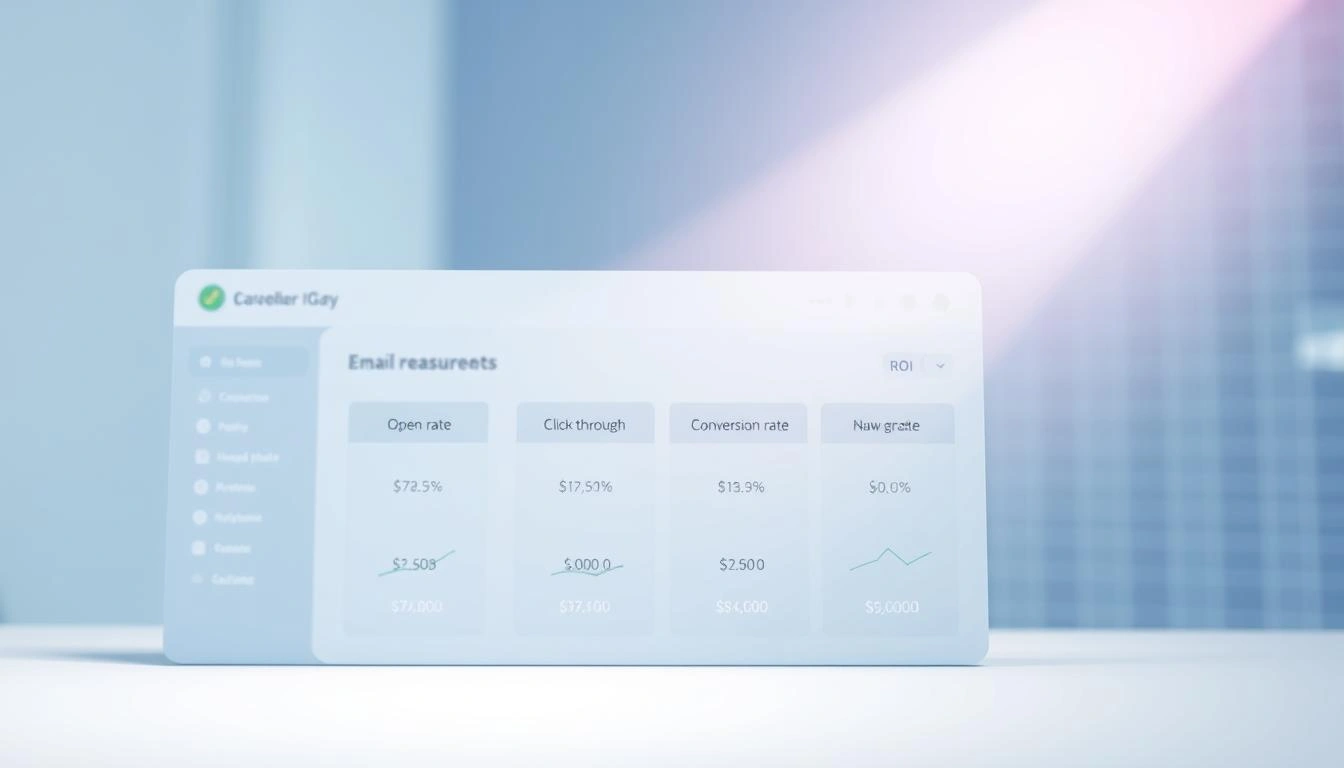
By following these steps and focusing on the right metrics, businesses can gain a clear understanding of the ROI of their hyper-personalised email campaigns and make data-driven decisions to improve future marketing efforts.
Case Studies: Conversion Success Through Hyper-Personalisation
The power of hyper-personalisation in email marketing is best illustrated through real-world case studies. By examining how different industries have implemented hyper-personalisation strategies, we can gain valuable insights into what drives conversion success.
Retail Industry Examples
Retailers have been at the forefront of leveraging hyper-personalisation to boost sales. One notable example is how Amazon uses personalised product recommendations to drive purchases.
How Amazon Drives Purchases with Personalised Recommendations
Amazon's recommendation engine is a prime example of hyper-personalisation in action. By analysing customer browsing and purchase history, Amazon can suggest products that are highly relevant to each individual user, significantly increasing the likelihood of a purchase.
B2B Success Stories
In the B2B sector, hyper-personalisation has proven to be equally effective. Companies like HubSpot have used personalised email content to nurture leads and drive conversions. By tailoring content based on the recipient's industry, job role, and previous interactions, B2B marketers can build stronger relationships with their clients.
Service Industry Applications
Subscription Business Retention Strategies
For businesses operating on a subscription model, retaining customers is crucial. Hyper-personalisation can play a key role in this by offering personalised content and offers that resonate with subscribers. For instance, streaming services can recommend content based on viewing history, while fitness services can offer personalised workout plans.
| IndustryHyper-Personalisation StrategyConversion Impact | ||
| Retail | Personalised product recommendations | Significant increase in sales |
| B2B | Tailored content based on industry and role | Improved lead nurturing and conversion rates |
| Service | Personalised offers and content recommendations | Enhanced customer retention |
Overcoming Challenges in Email Personalisation
Email personalisation, while powerful, comes with its own set of challenges that marketers must navigate. As we delve into the intricacies of hyper-personalisation, it's crucial to address the common obstacles that can hinder the effectiveness of email marketing campaigns.
Addressing Data Quality Issues
One of the primary challenges in email personalisation is ensuring data quality. Accurate and up-to-date data is essential for creating relevant and timely content. To overcome data quality issues, marketers should implement robust data validation processes and regularly clean their databases.
Scaling Personalisation Efforts
As businesses grow, so does the complexity of their email personalisation efforts. Scaling personalisation requires sophisticated technology and strategic planning. Marketers can leverage advanced email marketing platforms and AI-driven solutions to automate and optimise their personalisation strategies.
Balancing Personalisation with Privacy
Striking the right balance between personalisation and privacy is a delicate task. Marketers must be transparent about data usage and ensure compliance with privacy regulations. Building trust with customers is paramount.
Building Trust While Maximizing Conversion
To build trust while maximising conversion rates, marketers should focus on delivering relevant and timely content. By doing so, they can create a personalised experience that resonates with their audience.
By addressing these challenges head-on, marketers can unlock the full potential of email personalisation and drive meaningful engagement with their audience.
Conclusion: The Future of Hyper-Personalised Email Marketing
The future of email marketing is deeply rooted in hyper-personalisation. As technology continues to evolve, we can expect to see even more sophisticated hyper-personalisation trends emerge. Marketers who leverage data and technology to create highly personalised experiences will be better positioned to drive engagement and conversion.
By understanding customer behavior and preferences, businesses can craft emails that resonate with their audience, fostering a more intimate and meaningful connection. As the landscape of email personalisation continues to shift, staying ahead of the curve will require embracing innovation and adapting to emerging trends in the future of email marketing.
Ultimately, the key to success lies in striking a balance between personalisation and privacy, ensuring that customers feel valued and understood. By doing so, businesses can unlock the full potential of hyper-personalised email marketing, driving long-term growth and loyalty.
FAQ
What is hyper-personalisation in email marketing?
Hyper-personalisation in email marketing refers to the use of data and analytics to create highly tailored and relevant content for individual customers, enhancing their engagement and conversion rates.
How does dynamic content improve email marketing campaigns?
Dynamic content improves email marketing campaigns by allowing marketers to send targeted and relevant content to customers based on their behavior, preferences, and demographics, leading to higher conversion rates.
What are some common types of dynamic content used in email personalisation?
Common types of dynamic content include behavioral-based content, such as abandoned cart recovery emails and browse history recommendations, as well as demographic and contextual content like location-based offers and time-sensitive promotions.
How do I collect data for effective email personalisation?
Data for email personalisation can be collected through first-party data collection methods, customer behavior analytics, and other strategies, while ensuring compliance with privacy regulations like GDPR and CCPA.
What tools and technologies are used for advanced email personalisation?
Tools and technologies used for advanced email personalisation include email marketing platforms with dynamic content capabilities, AI and machine learning solutions, and integrations with CRM and customer data platforms.
How do I measure the ROI of hyper-personalised emails?
To measure the ROI of hyper-personalised emails, track key performance indicators like conversion rates, revenue generated, and customer lifetime value, and use attribution models to analyze the impact of personalisation on business outcomes.
What are some challenges in implementing email personalisation, and how can they be overcome?
Challenges in email personalisation include data quality issues, scaling personalisation efforts, and balancing personalisation with privacy concerns; these can be addressed by implementing robust data management strategies, leveraging technology, and prioritising customer trust.
Can you provide examples of successful hyper-personalisation campaigns?
Examples of successful hyper-personalisation campaigns can be seen in various industries, such as retail, B2B, and services, where companies like Amazon have driven significant conversions through personalised recommendations and targeted content.
About the Author
ANAZAH is a dedicated writer with a passion for crafting engaging, thoughtful, and impactful content. With a keen eye for detail and a commitment to clarity, ANAZAH brings complex ideas to life in a way that is both accessible and inspiring. Whether writing informative articles, creative pieces, or persuasive copy, ANAZAH aims to connect with readers and leave a lasting impression.